
Hidden Compliance Risks in Fine Chemicals Supply Chains
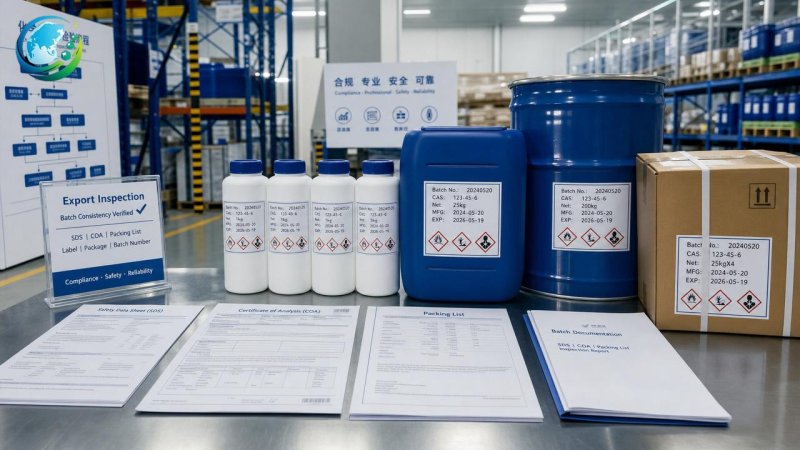
Fine Chemicals supply chains can look stable until a shipment is stopped, a document fails review, or a buyer questions product traceability. Hidden compliance risks often sit in routine steps, not obvious crisis points.
In cross-border chemical trade, small errors can trigger customs delays, reclassification, fines, rejected cargo, or damaged trust. Understanding these risks helps protect continuity, cost control, and market access.
Qingshan Industrial Co., Limited supports global chemical sourcing with strong manufacturer partnerships, export experience, and disciplined quality management. That combination is critical when Fine Chemicals compliance becomes more complex across regions.
What makes hidden compliance risks in Fine Chemicals so difficult to detect?
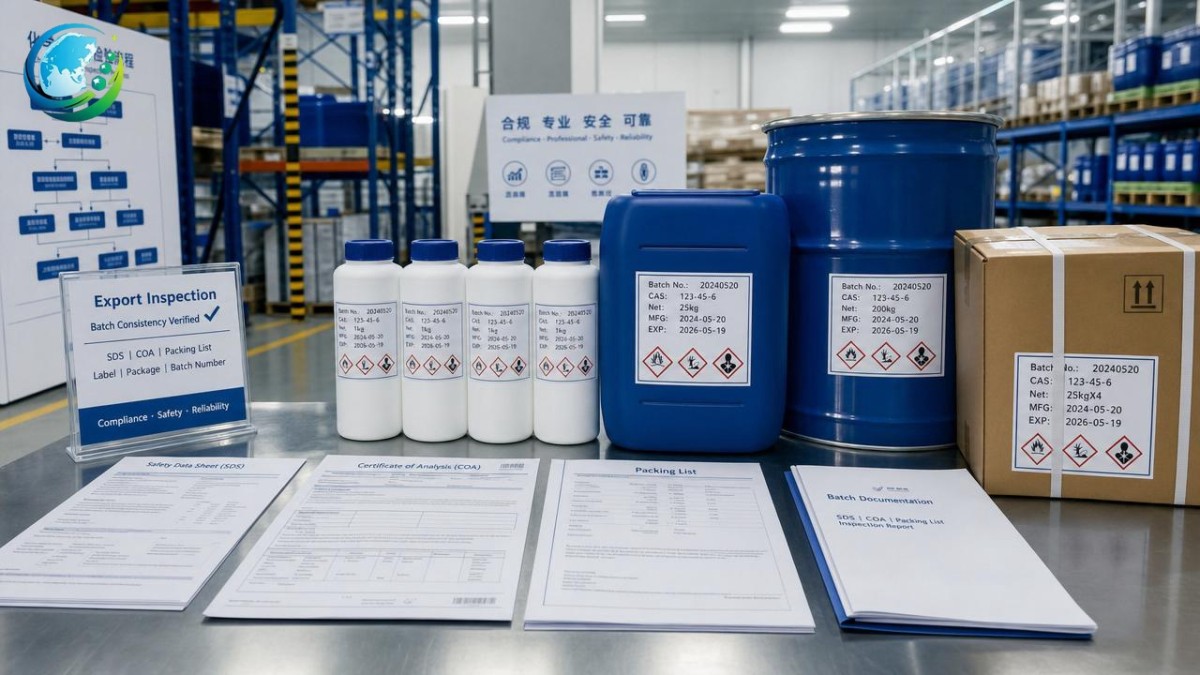
Many Fine Chemicals issues are not visible in a basic quotation, COA, or packing list. They emerge when product identity, use, hazard data, and destination rules are reviewed together.
A material may meet internal quality targets yet fail a foreign compliance check. This happens when commercial documents do not align with regulatory declarations or end-use requirements.
Common hidden risks include:
- Incorrect HS code selection for Fine Chemicals exports
- Inconsistent CAS number, product name, or purity description
- Outdated SDS versions or non-localized hazard statements
- Missing dual-use, restricted substance, or precursor screening
- Packaging labels that do not match transport classifications
- Supplier changes without full change-control documentation
Fine Chemicals often involve narrower specifications, specialized applications, and higher documentation sensitivity than bulk chemicals. That increases the chance of hidden mismatches across sourcing, production, and export stages.
Which documents create the most frequent Fine Chemicals compliance problems?
Documentation errors are among the most common causes of blocked shipments. In Fine Chemicals trade, paperwork must be technically accurate, commercially consistent, and accepted by destination authorities.
The most sensitive documents are usually the SDS, TDS, COA, invoice, packing list, label copy, and transport declarations. Even slight naming differences can trigger review questions.
Problems often arise when one team prepares technical files while another prepares export documents. If no final cross-check exists, the shipment may present conflicting information.
Why does the SDS matter so much?
For Fine Chemicals, the SDS is more than a safety form. It influences transport handling, warehouse acceptance, customer review, and customs understanding of the product.
If hazard classification, composition ranges, or emergency measures are outdated, the shipment may be challenged. Local market formatting and language requirements can also affect acceptance.
How do COA and specification mismatches create risk?
A COA may confirm assay, moisture, or impurity levels, but if those values differ from the agreed specification, trust problems begin immediately. Fine Chemicals buyers often review details line by line.
The risk grows when batches come from multiple production bases. Without harmonized methods and records, the same Fine Chemicals product may appear inconsistent across shipments.
How do supplier and sourcing decisions affect Fine Chemicals compliance?
Compliance risk does not begin at export. It often starts at supplier selection, raw material sourcing, and production change control. A low price may hide weak traceability or incomplete regulatory support.
For Fine Chemicals, supplier capability should be judged beyond capacity and cost. The real question is whether the source can maintain stable quality and evidence-backed compliance over time.
Key evaluation points include:
- Batch traceability from raw materials to final shipment
- Change notification procedures for formula, process, or site
- Ability to provide updated SDS, COA, and registration support
- Consistency of labeling, packaging, and storage controls
- Export experience for destination-specific chemical requirements
Qingshan Industrial Co., Limited uses established manufacturing partnerships across China to strengthen sourcing reliability. This matters because Fine Chemicals compliance depends on disciplined upstream coordination, not only final inspection.
What is the danger of silent supplier changes?
A product may keep the same commercial name while its source changes. If analytical methods, impurity profiles, or packaging conditions shift, the compliance profile may also change.
That is especially important for Fine Chemicals used in coatings, electronics, pharma intermediates, agrochemical synthesis, or specialty formulations where downstream tolerance is narrow.
What regulatory blind spots appear during export and customs clearance?
Export compliance problems often come from assumptions. A product cleared smoothly before may face new scrutiny later because authorities updated codes, restricted lists, or transport interpretations.
Fine Chemicals can be affected by multiple control layers at once, including customs classification, dangerous goods rules, environmental controls, sanctions screening, and end-use declarations.
Frequent blind spots include:
- Assuming non-bulk chemicals face lower inspection intensity
- Ignoring precursor or controlled chemical screening
- Using generic product descriptions on invoices
- Overlooking destination labeling and packaging rules
- Failing to verify transport mode restrictions before booking
A common mistake is treating customs and compliance as separate tasks. In Fine Chemicals exports, customs accuracy often depends on technical accuracy from the start.
How can classification errors increase total cost?
The direct cost may be a fine or storage fee. The larger cost is schedule disruption, customer production impact, and repeated review on future Fine Chemicals shipments.
Misclassification can also affect tariff rates, licensing obligations, and transport arrangements. A cheap quote becomes expensive when hidden compliance corrections appear after dispatch.
How can Fine Chemicals buyers and exporters build a practical compliance control system?
The most effective approach is preventive, not reactive. A practical system links technical review, sourcing control, document consistency, and shipment release into one workflow.
For Fine Chemicals, control should begin before order confirmation and continue after delivery through feedback, record retention, and periodic supplier reassessment.
A simple compliance checklist can reduce expensive surprises:
- Confirm the exact Fine Chemicals identity before quotation
- Verify the latest destination-specific regulatory expectations
- Align technical, commercial, and logistics documents
- Audit supplier change-control discipline regularly
- Keep shipment records for future dispute prevention
Which misconceptions cause the biggest Fine Chemicals compliance failures?
One misconception is that a high-purity product automatically means low regulatory risk. In reality, Fine Chemicals with precise specifications may face even closer review.
Another misconception is that long-term trade history guarantees future clearance. Regulatory frameworks change, and destination enforcement can tighten without much notice.
A third misconception is that compliance belongs only to logistics. For Fine Chemicals, risk is shared across product data, sourcing, production, packaging, and export execution.
Hidden compliance risks in Fine Chemicals are manageable when treated as part of supply chain design rather than an afterthought. Strong supplier coordination, accurate documents, and proactive export checks create more stable global delivery.
Qingshan Industrial Co., Limited combines chemical export experience, broad sourcing resources, and strict quality management to support reliable international supply chain solutions. The next practical step is to review current Fine Chemicals documentation, supplier controls, and shipment workflows before the next order moves.