
Organic Chemicals in Cleaning Products: Common Selection Mistakes
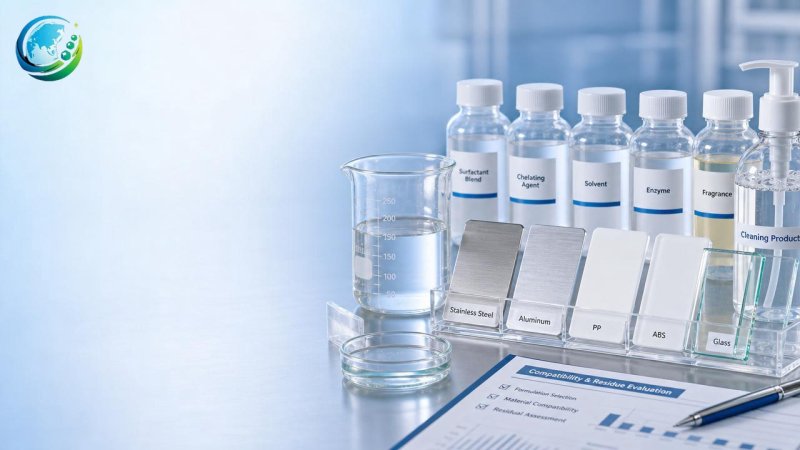
Choosing the right Organic Chemicals for cleaning products is not always simple. Labels, fragrance, and price often hide performance limits, safety concerns, and compatibility problems.
Many selection mistakes happen because users focus on one factor only. A smart review considers soil type, surface material, dilution, residue, storage, and regulatory requirements together.
This article explains the most common mistakes with Organic Chemicals in cleaning products. It also offers a practical way to compare options before daily use or large-volume adoption.
Why a structured review matters when choosing Organic Chemicals
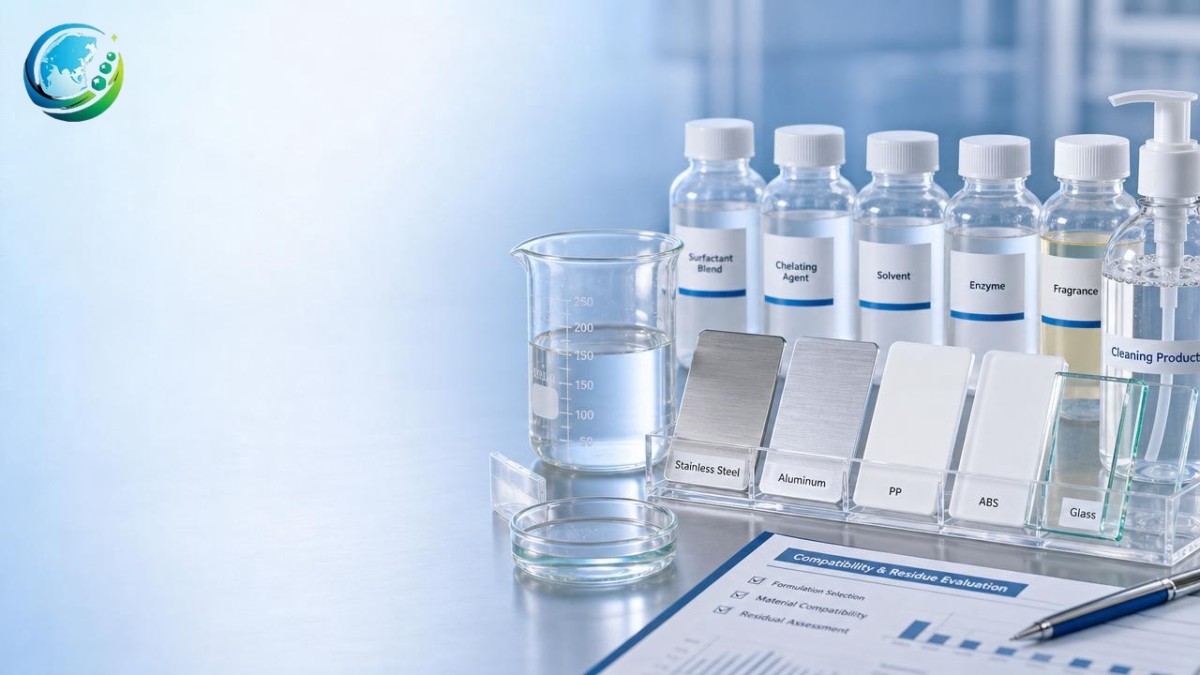
Organic Chemicals used in cleaning products can include solvents, surfactants, chelating agents, alcohols, esters, and other carbon-based compounds. Each type behaves differently under real conditions.
A product that removes grease quickly may also soften plastics. Another may smell mild but leave residue. Some Organic Chemicals work well in cold water, while others need heat.
Without a clear review process, cleaning results become inconsistent. Costs rise through overuse, rework, damaged equipment, and extra ventilation or waste handling requirements.
A checklist approach reduces guesswork. It helps compare Organic Chemicals by performance, compatibility, safety, concentration, and total operating impact rather than by marketing claims alone.
Key points to check before selecting Organic Chemicals
- Identify the soil first. Organic Chemicals for grease, protein, mineral deposits, inks, or adhesive residues are rarely interchangeable in practical cleaning applications.
- Check surface compatibility carefully. Review whether the formulation may affect metals, coatings, seals, rubber, plastics, composites, painted parts, or polished finishes.
- Confirm the active concentration. A low purchase price may hide weak performance, forcing higher dosage, more labor time, and increased total cleaning cost.
- Review dilution instructions under actual conditions. Water hardness, temperature, dwell time, and mechanical action can change how Organic Chemicals perform.
- Study flash point, vapor behavior, and ventilation needs. Some Organic Chemicals clean effectively but create handling and storage challenges in enclosed areas.
- Look at residue after cleaning. Fast soil removal means little if the product leaves films that attract dirt or interfere with later processing.
- Check pH and formulation balance. Even when Organic Chemicals are the main actives, the full system determines corrosion risk and user safety.
- Verify material safety documentation. SDS details, transport rules, and disposal guidance should match the intended storage volume and application routine.
- Test rinseability where needed. Some Organic Chemicals are suitable for no-rinse tasks, while others need complete removal to avoid contamination.
- Compare long-term cost, not unit price only. Include consumption, re-cleaning frequency, damaged parts, odor control, training, and waste treatment expenses.
Common selection mistakes with Organic Chemicals in cleaning products
Choosing by price instead of use cost
This is one of the most frequent mistakes. Lower-cost Organic Chemicals may require higher dosage, longer soaking, or repeated application to reach the same cleaning result.
A more concentrated product can appear expensive at first. However, it may reduce labor, water use, and machine downtime, making overall operation more efficient.
Ignoring the real soil type
Grease, wax, food residues, printing ink, and soap scum respond differently. Organic Chemicals that dissolve oily contamination may perform poorly on mixed or layered soils.
When the contamination is not identified correctly, users often increase concentration unnecessarily. That raises cost and safety exposure without solving the root cleaning problem.
Overlooking surface compatibility
Some Organic Chemicals attack acrylic, polycarbonate, soft metals, adhesives, and protective coatings. Damage may appear later as haze, cracking, swelling, or loss of gloss.
Compatibility testing on a small hidden area is essential. It is especially important when cleaning electronics housings, painted tools, decorative surfaces, or mixed-material assemblies.
Assuming “organic” means low risk
The term Organic Chemicals describes chemistry, not safety level. Some compounds are mild, while others are flammable, irritating, volatile, or harmful under poor handling conditions.
Always check exposure routes, odor intensity, PPE needs, and storage instructions. A familiar ingredient name should never replace formal product safety review.
Neglecting residue and rinse performance
A cleaning product can remove soil but leave a sticky film. That film may attract dust, affect downstream coating, or create slip risk on floors.
Residue becomes more problematic when Organic Chemicals are blended with fragrances, thickeners, or shine additives. Always test the final finish, not only initial soil removal.
Extra checks for different cleaning applications
Hard surface and floor cleaning
For floors, fast evaporation is not enough. Organic Chemicals should also be reviewed for residue, slip impact, odor persistence, and compatibility with sealants or wax systems.
In high-traffic areas, repeated use matters more than one-time results. A product that slowly builds film can increase maintenance frequency and dull surface appearance.
Kitchen and food-contact related cleaning
Organic Chemicals for kitchens must cut fats effectively and rinse cleanly. Fragrance, residue, and incomplete removal can create quality or hygiene concerns.
Check whether the formulation suits the required cleaning stage. Degreasing, pre-wash, and final wipe-down often need different performance characteristics and rinse expectations.
Metal parts and equipment cleaning
When cleaning metal parts, review corrosion potential, water displacement behavior, and drying marks. Organic Chemicals that clean well may still affect finish quality.
This matters even more for precision assemblies. Trace residue can interfere with lubrication, electrical contact, bonding, or coating steps that follow cleaning.
Glass, plastic, and display surfaces
Clear surfaces need low streaking and high material safety. Some Organic Chemicals produce excellent cleaning but can haze sensitive plastics or weaken printed markings.
Use a controlled test on transparency, gloss, and edge stress. Visual quality often reveals compatibility problems faster than basic soil removal tests.
Often-missed warning signs during product evaluation
A very strong fragrance can hide solvent intensity. Odor should not be used as proof that Organic Chemicals are gentle or suitable for enclosed workspaces.
Rapid evaporation can look efficient, but it may reduce dwell time. If contact time becomes too short, cleaning performance drops and repeated wiping becomes necessary.
Cloudiness after dilution may signal instability with local water quality. Hard water interactions can reduce the consistency of some Organic Chemicals in routine use.
Label claims such as “multi-purpose” or “industrial strength” are not enough. Practical trials on target soils and surfaces remain the most reliable selection method.
Practical steps for better daily decisions
- Create a simple comparison sheet covering soil type, surface, dilution, dwell time, residue, odor, PPE, storage, and cost per effective use.
- Run side-by-side tests using the same contamination, tools, and timing. Consistent testing reveals whether Organic Chemicals truly deliver better value.
- Document visible effects after one use and repeated use. Some compatibility issues appear only after several cleaning cycles.
- Review SDS information before scaling up volume. Storage and ventilation limits can change the practicality of otherwise effective Organic Chemicals.
- Train users on exact dilution and contact time. Even strong Organic Chemicals fail when they are mixed incorrectly or wiped away too early.
Conclusion and next steps for selecting Organic Chemicals wisely
Selecting Organic Chemicals for cleaning products should never depend on label claims, habit, or unit price alone. The right choice balances cleaning power, compatibility, safety, and total cost.
Start with a short controlled trial. Match the chemistry to the real soil, verify surface safety, and confirm residue and handling requirements under actual conditions.
A disciplined review process helps avoid common mistakes with Organic Chemicals. It also leads to better cleaning results, fewer failures, and more consistent long-term performance.