
Inorganic Chemicals Handling Risks and Daily Control Tips
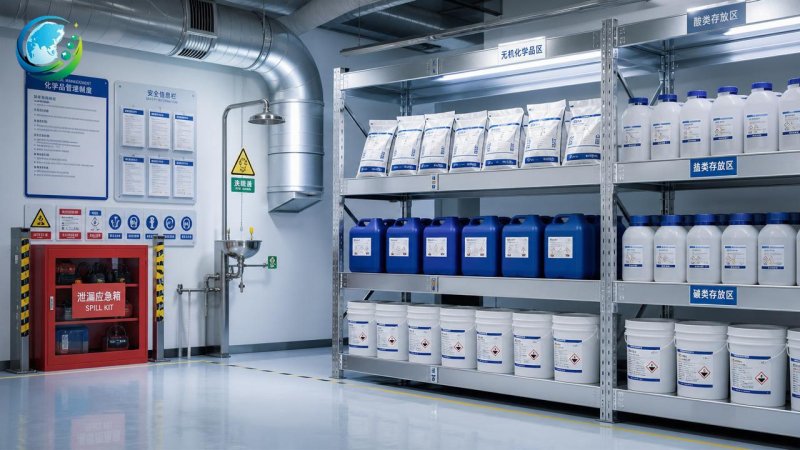
Handling Inorganic Chemicals now sits under closer scrutiny than before. Regulatory expectations are rising, audit trails are deeper, and contamination events spread faster across supply chains.
Daily control is no longer just a routine safety task. It directly affects product quality, worker protection, environmental performance, and business continuity in every facility using Inorganic Chemicals.
Handling Inorganic Chemicals requires more than routine compliance—it demands clear risk awareness and practical daily controls. For quality control and safety management professionals, even small lapses in storage, labeling, ventilation, or personal protection can lead to contamination, exposure, and operational incidents. This article outlines key handling risks and actionable daily control tips to help strengthen workplace safety, product integrity, and regulatory readiness.
Why Inorganic Chemicals handling risks are becoming more visible
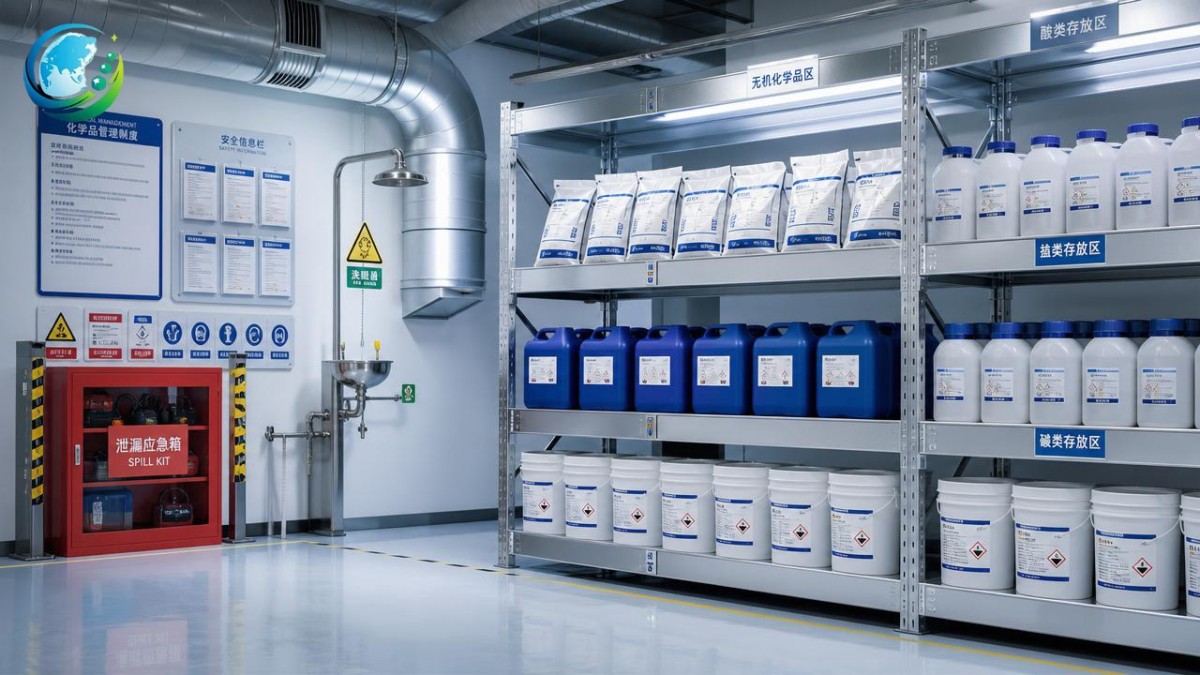
Risk visibility has increased because operations are faster, inventories are more diverse, and inspections now connect safety records with quality records.
Many sites handle acids, alkalis, salts, oxidizers, and reactive powders in shared areas. That raises the chance of misidentification, incompatibility, and cross-contact.
Another trend is tighter control over airborne dust, corrosive vapor, and trace contamination. Small leaks or poor housekeeping are less acceptable than before.
Digital reporting also changes expectations. When incidents are logged in real time, repeated minor deviations become visible patterns rather than isolated mistakes.
The main signals showing daily control gaps around Inorganic Chemicals
Most handling failures begin with simple signals. Teams often see them early, but they are normalized until they trigger a more serious event.
Common warning signs on the floor
- Unreadable labels or damaged secondary container markings
- Open bags, poorly sealed drums, or residue around lids
- Inorganic Chemicals stored near incompatible materials
- PPE use that varies by shift or task
- Dust deposits on ledges, cables, or extraction points
- Emergency showers or eyewash stations blocked or untested
- Transfer tools used across different Inorganic Chemicals without cleaning verification
These signals matter because they usually indicate weak control discipline. Inorganic Chemicals may look stable in storage, yet become hazardous during transfer, mixing, or sampling.
What is driving tighter control expectations
Several forces are pushing organizations to improve how they manage Inorganic Chemicals every day. The pressure is practical, not theoretical.
Together, these drivers make Inorganic Chemicals handling a cross-functional issue. Safety, quality, maintenance, warehousing, and operations all influence daily outcomes.
How poor handling of Inorganic Chemicals affects operations
The impact of weak controls extends far beyond immediate injury risk. It can quietly erode efficiency, reliability, and compliance performance.
In storage areas, poor segregation may trigger corrosive reactions, container damage, or emergency disposal. In processing areas, wrong transfers can spoil batches or damage equipment.
For laboratories, mislabeling or moisture exposure can alter test results. For waste handling, incompatible residues can create secondary hazards during collection or neutralization.
Operational consequences often include
- Unexpected downtime after spills or exposure events
- Material loss from caking, degradation, or leakage
- Quality deviations linked to contamination
- Increased maintenance from corrosion or dust loading
- Slower audits because records do not match conditions
The highest-priority daily risks when handling Inorganic Chemicals
Not all risks deserve equal attention. The most frequent and damaging issues in Inorganic Chemicals handling are usually concentrated in a few control points.
1. Mislabeling and misidentification
A missing label can turn a routine transfer into a serious incident. Similar-looking powders or clear liquids are especially easy to confuse.
2. Incompatible storage
Acids, bases, oxidizers, reducers, and moisture-sensitive materials should never rely on memory-based placement. Zoning must be visible and enforced.
3. Poor ventilation and dust control
Some Inorganic Chemicals create harmful dust or corrosive mist during charging, weighing, or cleaning. Weak extraction increases exposure and surface contamination.
4. Inadequate PPE selection
General gloves or eyewear may not resist specific Inorganic Chemicals. PPE must fit the chemical, task, concentration, and exposure route.
5. Weak housekeeping and residue control
Accumulated residue often signals repeated small releases. Those releases can spread through footwear, tools, pallets, and air movement.
Daily control tips that reduce Inorganic Chemicals handling risk
Strong daily control does not always require large investment. It depends more on disciplined routines, clear ownership, and visible standards.
Use a short start-of-shift verification
- Check labels, seals, and container condition
- Confirm storage positions against compatibility rules
- Verify local exhaust and general ventilation status
- Inspect PPE availability and replacement condition
- Ensure spill kits and eyewash access are unobstructed
Control transfer points carefully
Most exposure happens during opening, dispensing, pouring, and sampling. Use dedicated tools, slow transfer methods, and immediate relabeling of secondary containers.
Keep cleaning specific and verifiable
Avoid generic instructions like “clean area as needed.” Define who cleans, with what method, at what frequency, and how cleanliness is checked.
Review near misses weekly
Near misses involving Inorganic Chemicals reveal weak points early. Focus on repeated causes, not only serious outcomes.
Where organizations should focus next
The next improvement step is usually not adding more paperwork. It is making critical controls easier to follow under real working conditions.
Priority focus areas
- Simplify chemical compatibility charts for floor use
- Standardize secondary labeling for all Inorganic Chemicals
- Link housekeeping checks with contamination risk points
- Upgrade ventilation checks from periodic to daily visual status
- Train by task scenario, not by document review alone
- Use trend logs for minor leaks, dust findings, and PPE failures
A practical judgment framework for safer Inorganic Chemicals control
Turning daily control into consistent action
Safer handling of Inorganic Chemicals comes from repeated, visible control at the point of use. The best systems reduce dependence on memory and individual interpretation.
Start with one area this week. Review storage compatibility, label quality, ventilation status, PPE fit, and housekeeping evidence. Then correct the most repeated gap first.
When Inorganic Chemicals are managed through practical daily checks, organizations gain more than compliance. They build safer work, cleaner products, and stronger operational resilience.