
Choosing Chemical Solvents for Low-Residue Cleaning Applications
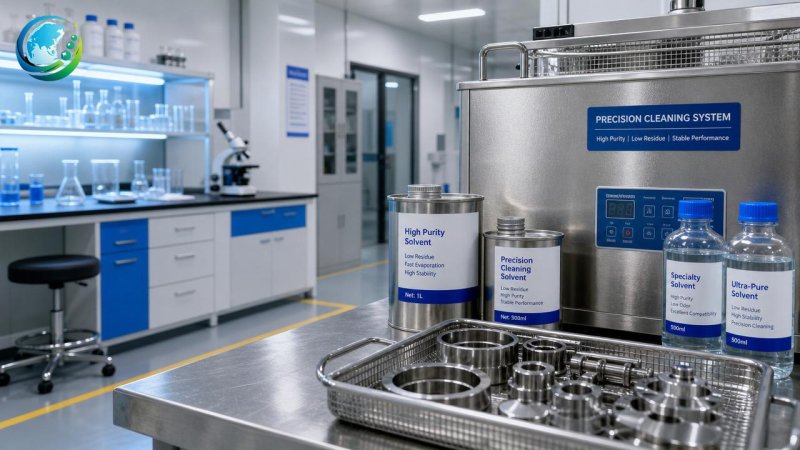
Selecting the right Chemical Solvents is critical for low-residue cleaning in modern chemical and industrial processes. The best choice supports cleanliness, protects sensitive materials, improves safety, and controls operating cost.
From removing oils and greases to dissolving flux, adhesive traces, and fine particulates, Chemical Solvents directly influence product quality and process stability. A poor match can leave films, damage substrates, or slow production.
This article explains how to evaluate Chemical Solvents for demanding cleaning tasks. It also highlights practical selection points, typical application scenarios, and execution advice for more reliable results.
Why a structured selection process matters
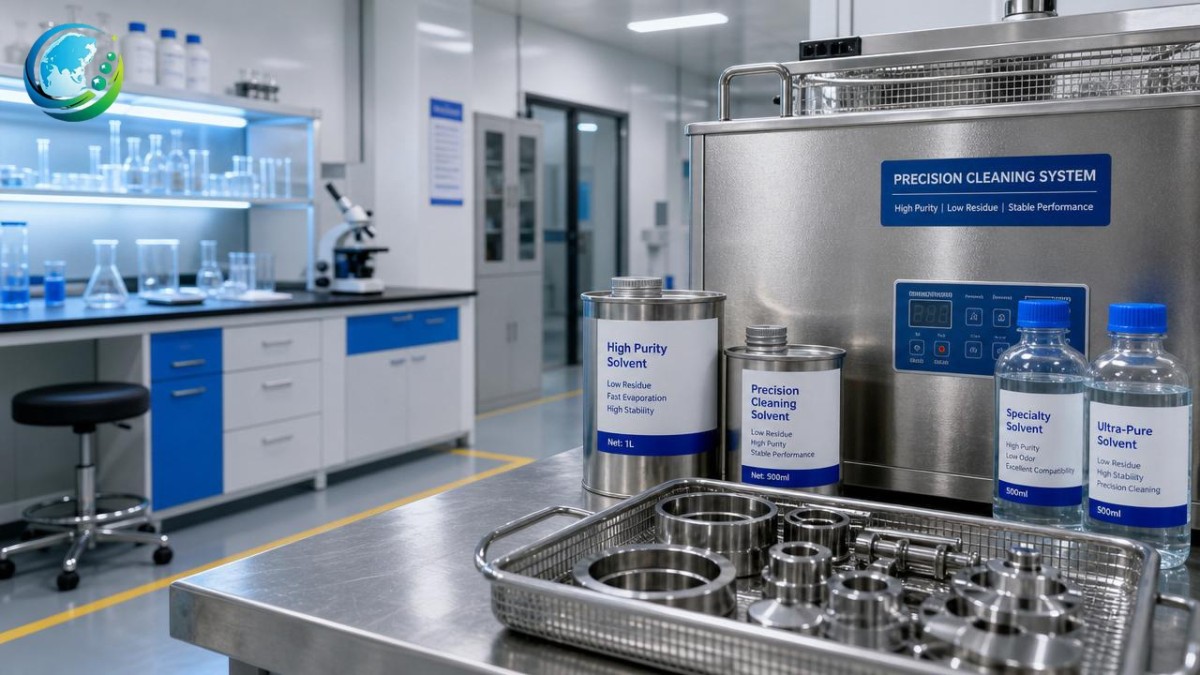
Low-residue cleaning is rarely about solvency alone. Performance depends on evaporation rate, material compatibility, contamination type, drying behavior, regulatory compliance, and process design.
Using a clear evaluation method helps compare Chemical Solvents consistently. It reduces trial-and-error, lowers contamination risk, and makes cleaning validation easier across repeated production batches.
A structured review also supports sourcing decisions. Stable supply, documentation quality, and export reliability matter as much as technical performance in global chemical procurement.
Key points to review when choosing Chemical Solvents
- Identify the main residue first, including oil, grease, flux, wax, silicone, ink, or particulate contamination, because different Chemical Solvents dissolve different soils with very different efficiency.
- Check residue targets after cleaning, such as visible film, ionic contamination, non-volatile residue, or surface energy, to ensure the solvent matches final cleanliness requirements.
- Confirm compatibility with metals, plastics, elastomers, coatings, and adhesives, since aggressive Chemical Solvents can cause swelling, cracking, discoloration, or stress damage.
- Review evaporation speed and drying profile, because very fast solvents may redeposit contaminants, while slower solvents can increase cycle time and trapped residue risk.
- Evaluate solvency strength using lab testing, not assumptions, especially when mixed contamination includes oils plus fine solids, because one solvent rarely performs equally well on both.
- Assess worker and process safety, including flash point, toxicity profile, ventilation needs, and exposure limits, before introducing Chemical Solvents into routine operations.
- Verify environmental and transport compliance, including VOC concerns, hazardous classification, and export documentation, to avoid delays and unexpected handling restrictions.
- Compare cleaning method fit, such as wipe cleaning, immersion, spray, or ultrasonic systems, because Chemical Solvents behave differently under each process condition.
- Measure total cost instead of unit price alone, including consumption rate, drying energy, waste treatment, bath life, and rework caused by insufficient cleaning performance.
- Choose suppliers with stable quality control, consistent specifications, and strong export support, since solvent variability can directly affect repeatability in low-residue cleaning applications.
Critical technical properties to compare
When comparing Chemical Solvents, start with solvency power, volatility, purity, water content, odor, and residue tendency. These properties often determine whether cleaning is effective and repeatable.
Boiling point and surface tension also matter. Lower surface tension can improve wetting in tight spaces, while an appropriate boiling range helps balance drying speed and cleaning depth.
For precision work, higher purity Chemical Solvents are often preferred. Impurities may create haze, spots, or trace films that defeat the purpose of low-residue cleaning.
Application notes for different cleaning situations
Metal parts degreasing
Metal cleaning usually focuses on lubricants, machining oils, corrosion preventives, and fine particles. Chemical Solvents should remove the soil completely without staining or attacking the metal surface.
Pay close attention to flash drying marks and recontamination. If parts move slowly after cleaning, a slower or better-draining solvent may perform more consistently.
Electronics and flux residue removal
For electronics, low residue is especially important. Chemical Solvents must dissolve flux residues while protecting solder masks, component markings, plastics, and delicate assemblies.
Test for white residue, ionic contamination, and drying marks. Fast visual cleanliness does not always mean the board meets long-term reliability expectations.
Adhesive and sealant cleanup
Adhesive residues can be soft, cured, or partially cross-linked. Chemical Solvents should be chosen based on whether the goal is full removal, edge cleaning, or surface preparation.
Always verify compatibility with nearby polymers. A solvent that removes adhesive well may also soften gaskets, housings, or coated surfaces.
Precision components and optical surfaces
Precision parts require very clean evaporation and minimal spotting. High-purity Chemical Solvents with predictable drying behavior are usually necessary for these applications.
Use small-scale testing under real handling conditions. Fingerprints, lint, and water pickup during transfer can influence final cleanliness as much as the solvent itself.
Commonly overlooked issues and risk reminders
Assuming stronger solvency is always better
Very strong Chemical Solvents may clean fast but can extract additives, damage polymers, or spread dissolved residue into difficult areas. Balance cleaning power with control.
Ignoring residue from the process, not the solvent
Low-residue results depend on wipes, water contamination, dirty tanks, and poor handling. Chemical Solvents cannot compensate for an uncontrolled cleaning environment.
Choosing by price per drum only
A lower purchase price may lead to higher use rate, more rework, or shorter bath life. The most economical Chemical Solvents often reduce total process cost instead.
Skipping supply chain verification
Inconsistent batches create inconsistent cleaning. Technical data, COA support, packaging integrity, and export reliability are essential when sourcing Chemical Solvents internationally.
Practical steps for implementation
- Define the contamination type, substrate, required cleanliness level, and current cleaning method before requesting solvent recommendations or beginning laboratory comparison tests.
- Shortlist two to four Chemical Solvents with different evaporation and solvency profiles, then test them under actual temperature, time, and handling conditions.
- Measure outcomes using both visual inspection and functional criteria, including residue testing, adhesion performance, conductivity, or downstream coating behavior.
- Review EHS requirements, storage conditions, transport classification, and waste management before scaling from bench testing to production cleaning operations.
- Standardize the selected process with written parameters for dose, contact time, drying, and change-out frequency to keep Chemical Solvents performing consistently.
How reliable supply supports solvent performance
Technical selection and supply quality should work together. Even well-chosen Chemical Solvents can create problems if purity shifts, packaging leaks, or delivery schedules are unstable.
Qingshan Industrial Co., Limited supports global chemical sourcing with strong manufacturer partnerships in China, strict quality management, and stable export coordination for international customers.
This kind of supply chain support helps maintain consistent specifications, competitive cost, and dependable availability for cleaning chemicals used in low-residue applications.
Final thoughts and next steps
Choosing Chemical Solvents for low-residue cleaning requires more than selecting a fast-acting liquid. The best decision combines residue type, substrate safety, drying behavior, compliance, and total cost.
Start with a defined test plan, compare several Chemical Solvents under real conditions, and document measurable results. This approach improves cleaning quality and reduces avoidable operational risk.
For more dependable outcomes, pair technical evaluation with a reliable chemical supply partner that can provide stable quality, export support, and responsive sourcing solutions.